


Uterine Cancer Prevention
Ways to lower your risk and get symptoms checked in time
- Endometrial cancer cannot be prevented with certainty, but some of its risk factors can be reduced.
- Keeping a healthy weight and being physically active regularly can lower the risk of endometrial cancer.
- In studies, every 5-unit increase in body mass index (BMI) has been linked to about 1.5 times the risk of endometrial cancer.
- Pap tests (Pap smears; in the UK, smear tests) and the HPV vaccine do not prevent cancer of the body of the uterus (womb).
- Routine screening for uterine cancer is not recommended for people with no symptoms who are at average risk.
- Abnormal bleeding, especially after menopause, should be checked.
- A family history of uterine or colon cancer may mean that assessment for Lynch syndrome and genetic counseling are needed.
From anywhere in the world
Tehran clinic services
Can uterine cancer be prevented?
There is no way to prevent endometrial cancer with certainty, but controlling some risk factors can lower the chance of getting it. Having abnormal bleeding checked promptly also helps find precancerous changes or cancer at an early stage.
What increases the risk of uterine cancer?
Having a risk factor does not mean you will definitely get cancer, and not having these factors does not remove the chance completely.
- Overweight and obesity: with every 5-unit increase in BMI, the relative risk becomes about 1.5 times as high, and in different studies the risk linked to obesity has been reported as 2 to 10 times as high.
- Physical inactivity: regular physical activity has been linked to a relative risk reduction of up to about 40%.
- Uncontrolled diabetes and high blood pressure
- Taking estrogen without progesterone when you still have your uterus. Taking tamoxifen (in women with a history of breast cancer) also raises the risk, and any abnormal bleeding in these women should be checked promptly.
- Getting older, especially after menopause
- Starting periods early or reaching menopause late
- Family history and genetic factors such as Lynch syndrome
- Never having been pregnant
How is uterine cancer different from cervical cancer?
Uterine (endometrial) cancer
Endometrial cancer, the most common type of uterine cancer, starts in the lining of the uterus. Excess weight, some hormonal factors and inherited factors play a part in the risk. Regular screening is not recommended for people with no symptoms who are at average risk.
Cervical cancer
It starts in the cervix, and most cases are linked to a persistent infection with high-risk types of HPV. The HPV vaccine and regular screening, together with follow-up and treatment of precancerous changes, help prevent it.

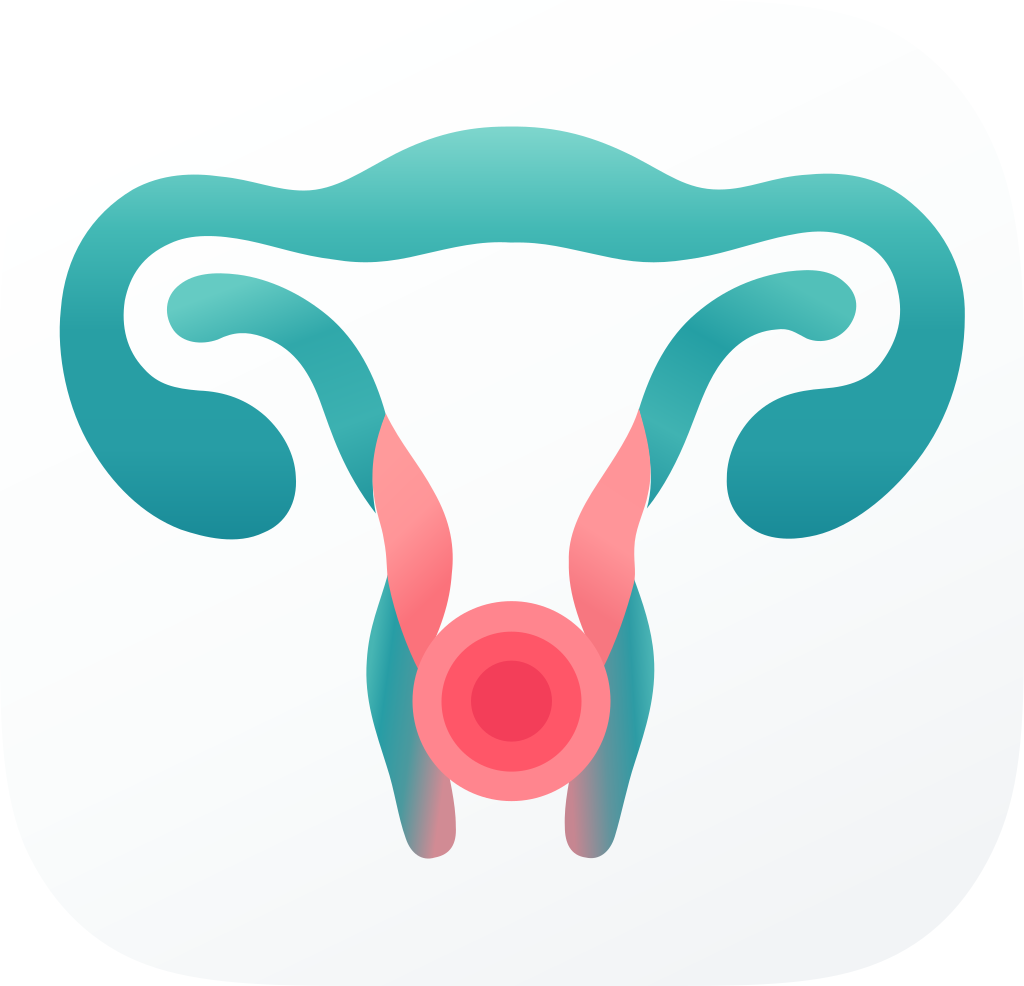
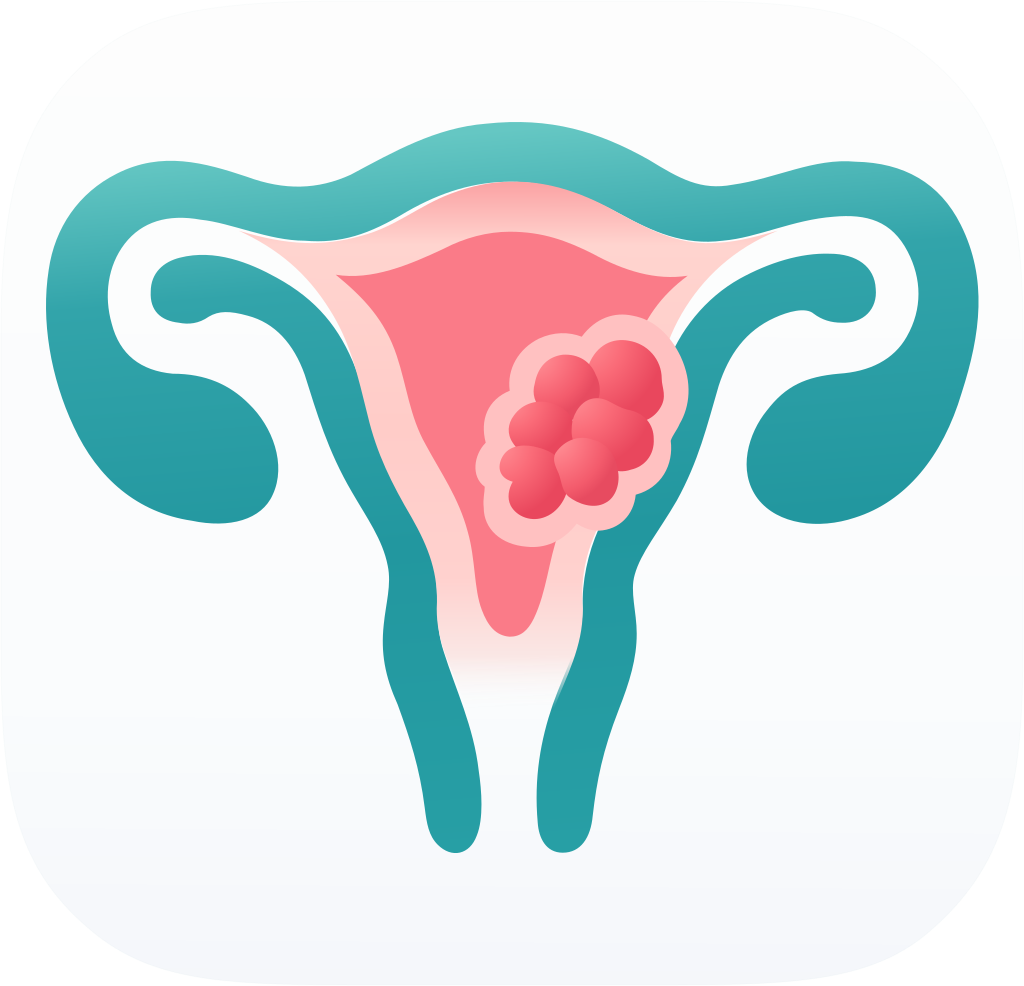
About this image: The upper part, outlined in gold, is the lining of the uterus, or endometrium. The lower part, outlined in blue, shows the cervix.
These two are not prevented in the same way. For the cervix, the HPV vaccine and regular screening are the two main tools. For the body of the uterus, there is no screening test for the general population; what we can do is control risk factors and take abnormal bleeding seriously.
5 steps to lower your risk of uterine cancer
1. Work toward reaching and keeping a healthy weight
Excess weight is linked to a higher risk of endometrial cancer. If you need to lose weight, set a gradual goal that suits your situation, with help from a doctor or dietitian.
2. Be physically active regularly
In some studies, regular exercise has been linked to a relative risk reduction of about 38 to 46 percent; the effect is not the same for everyone. Start an activity such as walking at a level that suits you, and build up gradually.
3. Manage diabetes and blood pressure
Taking medicines correctly, eating well and regular checkups help keep blood sugar and blood pressure under control.
4. Talk to your doctor about hormonal methods
Taking the combined birth control pill for five years has been linked to about a 24% lower risk, and this effect may last more than 30 years. The pill is not suitable for everyone and should not be started just to prevent cancer without medical advice.
5. Choose menopausal hormone therapy with your doctor's advice
Tamoxifen is very valuable for treating breast cancer and preventing it from coming back, but because it has a partial stimulating effect on the lining of the uterus (endometrium), long-term use raises the risk of a thickened endometrium and uterine cancer to some extent. For this reason, it is essential to have any abnormal bleeding after menopause checked.
Does drinking coffee lower the risk of uterine cancer?
In one study, drinking more coffee was linked to about a 21% lower relative risk. However, this link does not prove that coffee prevents cancer, and it is no reason to start drinking coffee, or drink more of it, for this purpose alone. Coffee cannot be considered a way to prevent uterine cancer.
Why do endometrial hyperplasia and abnormal bleeding matter?
Endometrial hyperplasia means the lining of the uterus has grown too much. It is not cancer, but some types, especially the atypical type, can pave the way for cancer. Assessing and treating it in good time is important.
A symptom that should be checked
Abnormal bleeding should be checked at any age; uterine cancer can also happen before menopause.
What should I do if I am at high risk?
The first step is to work out your level of risk and whether you need genetic counseling. Then the options are reviewed according to the gene involved, your medical history and your plans for having children.
Who may be at high risk?
- People with a family history of uterine, ovarian or colon (bowel) cancer
- People with Lynch syndrome; the level of risk differs from one gene to another
- People with atypical endometrial hyperplasia
- People with polycystic ovary syndrome (PCOS) and long-term irregular ovulation
When is genetic counseling considered?
A personal or family history can be a reason for genetic counseling. In people with endometrial cancer, testing the tumor tissue for DNA repair proteins, known as “MMR” (mismatch repair) proteins, also helps identify possible Lynch syndrome. An abnormal result on its own does not mean an inherited condition; the pattern of the result and further tests show whether genetic testing for an inherited condition is needed.
Steps in assessment and prevention
1. Review of personal and family history and test results
2. Genetic counseling and further testing, if needed
3. Review of options: follow-up, medicine or surgery
4. A shared decision between you and your medical team
Hormonal options
In situations such as irregular ovulation or some types of hyperplasia, your doctor may suggest progestin tablets or a hormonal IUD (intrauterine device; in the UK, a hormonal coil) containing levonorgestrel. These methods help protect the lining of the uterus, but they are not suitable for everyone at high risk. In Lynch syndrome, choosing them needs individual assessment, and they do not replace follow-up or risk-reducing surgery where these are needed.
Removing the uterus to lower risk
For some people with Lynch syndrome, removing the uterus to lower the risk of endometrial cancer is discussed once they have finished having children. The timing of surgery depends on the gene involved, age, medical history and personal preference; removing the ovaries is decided separately.
If surgery is postponed, an endometrial biopsy every 1 to 2 years starting at about age 30 to 35 may be considered. This plan is not the same for everyone, and it has not been shown to reduce deaths. Any abnormal bleeding should be checked without waiting for the next scheduled check.
Frequently asked questions about preventing uterine cancer
Does a Pap smear prevent uterine cancer?
No. A Pap test is used to find precancerous changes in the cervix and is not a screening test for endometrial cancer. Regular screening for endometrial cancer is not recommended for people with no symptoms who are at average risk.
Is uterine cancer hereditary?
Most cases are not inherited, but a family history and Lynch syndrome can raise the risk. This does not mean you will definitely get it.
Do only women past menopause get uterine cancer?
No. The disease is more common after menopause, but younger women can also get it, especially those with obesity, PCOS or Lynch syndrome.
Can birth control pills help lower the risk of uterine cancer?
In one large review, every 5 years of taking birth control pills was linked to about a 24 percent lower relative risk of endometrial cancer, and this link was still seen years after stopping. The choice of pill should take into account your situation and the possible benefits and side effects, and be made with your doctor.
Does menopausal hormone therapy carry risks?
It depends on the type of treatment. If you still have your uterus, systemic estrogen, such as tablets or skin patches, taken without a progestin can raise the risk of endometrial cancer. For this reason, a progestin is usually prescribed as well to protect the lining of the uterus. The type and length of treatment should be chosen with your doctor.
Is endometrial hyperplasia the same as cancer?
No. Hyperplasia means the endometrium has grown too much. Some types carry a higher risk, but in many cases it can be controlled and treated.
Should the uterus be removed to prevent cancer?
No. A risk-reducing hysterectomy is considered only for a small group of people at very high risk, and it is a personal decision made with specialist advice.
Do exercise and a healthy weight help prevent uterine cancer?
Yes. Keeping a healthy weight and being physically active regularly are linked to a lower risk of endometrial cancer. In some studies, regular exercise has been linked to a relative risk reduction of about 40 percent; this figure is not the same for everyone and does not mean certain prevention.

Your questions
No question has been published on this page yet.
Ask the first one. The answer is published right here, under your question.




Write your question